



Self-Referencing Data Models in Drupal Without Code: Drupal WOWs Episode 1

In the first episode of the “Drupal WOWs” video series, Syed Muhammad Azmat Shah introduces self-referencing data modeling in Drupal using no-code tools. The episode focuses on how Drupal allows entities to reference others of the same type, enabling hierarchical data structures such as employee management systems or related article groupings.
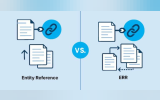
A common example provided is an Employee content type where a “Manager” field references another Employee entity. This structure allows modeling relationships like CEO to VP to Developer without custom code. Drupal’s Entity Reference fields enable this natively, and the underlying database uses a self-referencing foreign key setup: a manager_id field that links back to the employee_id.
The blog emphasises Drupal’s power in enabling complex data relationships without writing code, aiming to promote this feature to a broader audience outside the Drupal community.
ASK: Drupal Community Needs Your Support
View all →
Disclosure: This content is produced with the assistance of AI.
Disclaimer: The opinions expressed in this story do not necessarily represent that of TheDropTimes. We regularly share third-party blog posts that feature Drupal in good faith. TDT recommends Reader's discretion while consuming such content, as the veracity/authenticity of the story depends on the blogger and their motives.
Note: The vision of this web portal is to help promote news and stories around the Drupal community and promote and celebrate the people and organizations in the community. We strive to create and distribute our content based on these content policy. If you see any omission/variation on this please reach out to us at #thedroptimes channel on Drupal Slack and we will try to address the issue as best we can.

Related Organizations

Related People


You may also like