



Drupal Pivot in Ghent Marks Turning Point for CMS, AI, and Sovereignty

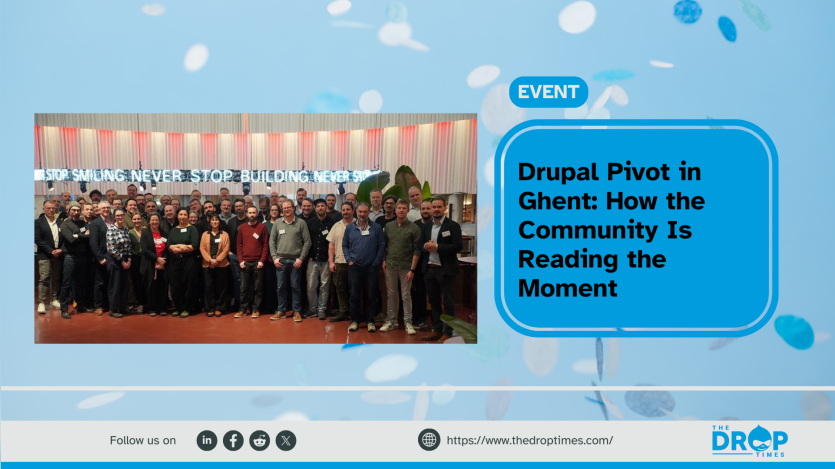
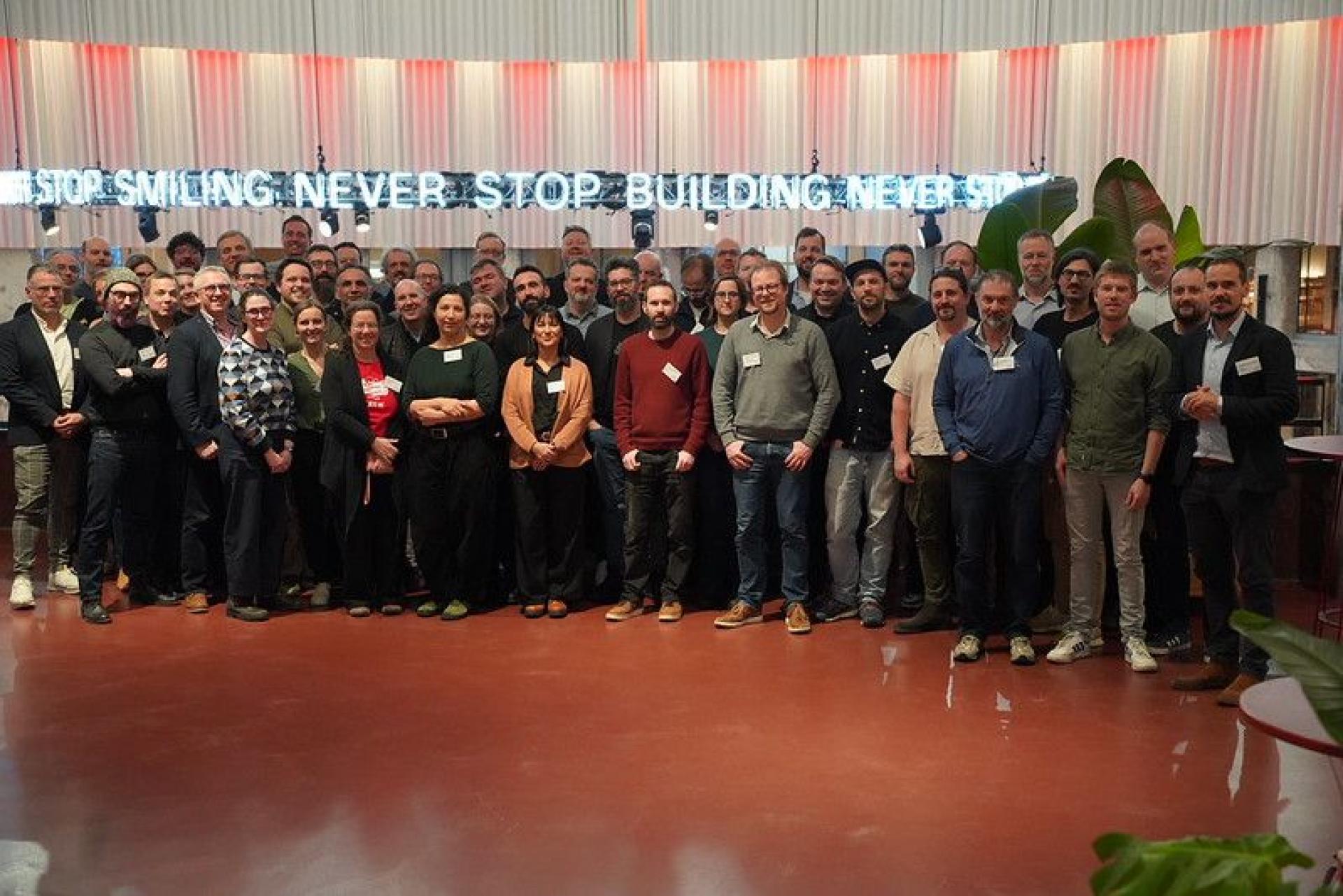
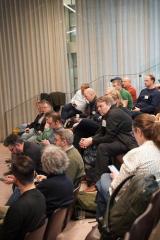
Drupal Pivot concluded in Ghent, Belgium, at a moment of transition for the Drupal project and its wider ecosystem. Held as part of EU Open Source Week and organised by the Drupal Association, the unconference brought together agency leaders, solution providers, and community contributors from across Europe, the United States, and Canada for one and a half days of open, candid discussion. The event was framed not as a venue for announcements, but as a space to reflect honestly on the pressures facing the ecosystem and to explore how Drupal should respond.
In its post-event update, the Drupal Association described the gathering as one that brought together around 50 companies for thoughtful conversations on topics ranging from artificial intelligence and digital sovereignty to productisation, marketing strategy, and collaborative analysis of the Drupal landscape. The emphasis was on shared understanding and collective insight rather than definitive outcomes.
A Milestone Year and a Moment to Take Stock
For Ales Kohek, reflecting as a Drupal agency leader, the timing of Drupal Pivot gave the conversations additional weight. Pointing to the fact that Drupal turns 25 this year, he wrote:
In our industry, 25 years is a lifetime. Most tools don't make it past a decade, but Drupal’s story is one of pure resilience.
Rather than framing longevity as something to celebrate for its own sake, Kohek pointed to it as evidence of resilience. In his view, Drupal has endured because it has repeatedly adapted to market downturns, technological shifts, and changing expectations.
He tied this directly to the theme of the event, noting that “you don’t stay relevant for 25 years by staying static.” Pivoting, in this framing, was not a reaction to crisis but a capability the community has exercised many times before.
That perspective aligns closely with developments happening in Drupal itself. Drupal CMS 2.0 was released on the same day Drupal Pivot concluded. The release introduces a new visual building experience, integrated AI tooling, and prebuilt site templates to make Drupal more accessible to a broader set of users while preserving its enterprise-grade foundations. The timing coincidence reinforced a shared sense that the ecosystem is entering a new phase rather than merely debating one.
Open Conversation as a Competitive Advantage
Paul Johnson, an open-source consultant and Drupal community contributor, highlighted the importance of the unconference format and the Chatham House Rules in enabling meaningful discussion. With around 60 participants, he described an environment where agency leaders could speak openly about current challenges, exchange experiences, and explore collaboration without competitive posturing.
Paul linked this behaviour directly to Drupal’s open source roots, writing that “shared problem solving, transparency and contribution have shaped not only the Drupal software itself, but also the way business leaders work together.” In his view, this approach offers a structural advantage over proprietary ecosystems, particularly in uncertain market conditions.
AI Discussions Grounded in Delivery
Artificial intelligence featured prominently across attendee reflections, but the tone remained notably practical. Ulla Koho, Chief Commercial Officer at Wunder, focused on Drupal’s technical foundations, describing it as “one of the best CMS platforms to build AI solutions on.” She pointed to structured content, APIs, extensibility, and openness as strengths that support responsible, scalable AI implementations.
Ulla also challenged the community to communicate these strengths more clearly, especially around security and compliance. “Have we been vocal enough about this? Probably not,” she wrote, linking technical capability to positioning and messaging.
Paolo Mainardi, Chief Technology Officer at SparkFabrik, echoed this grounded approach. He wrote that discussions went well beyond prompting and experimentation, touching instead on the rise of agent-based development and the skills required to remain competitive. Without a willingness to embrace these changes, he warned, “the risk of being left behind is very real.” For Paolo, the Drupal AI Initiative emerged as an essential reference point, but one that requires sustained investment of time, money, and strategic focus.
Digital Sovereignty Gains Urgency
Digital sovereignty emerged as a recurring theme, particularly in the European context. Imre Gmelig Meijling, CEO at React Online, framed the issue in geopolitical terms, arguing that Drupal’s long-standing vendor independence has become increasingly relevant. “Now more than ever that plays to Drupal’s advantage,” he wrote, positioning open source as a strategic response to growing uncertainty.
Koho approached the topic from a consulting perspective, noting that digital sovereignty is often treated as a buzzword rather than a deeply understood concept. She argued that agencies and consultants have a responsibility to ensure that their implications are properly explained and addressed.
Reframing Drupal’s Role
One of the strongest shared ideas to emerge was a shift in how Drupal itself is positioned. Several attendees described Drupal not simply as a CMS, but as an enabler. Mainardi captured this succinctly when he suggested looking at Drupal “not just as a CMS, but as an enabler,” a stable and sovereign platform on which tailored solutions can be built.
This reframing connected conversations about AI, sovereignty, and competitiveness, and naturally led to discussions about branding and clarity. There was a shared sense that Drupal’s story needs to more clearly connect technical excellence, open source values, and real-world outcomes.
Energy, Reassurance, and the Work Ahead
Beyond specific topics, many reflections focused on atmosphere. Will Huggins, CEO of Zoocha Group, described the energy and shared purpose in Ghent as reassuring, writing that it “can be a great comfort to all who use and depend on Drupal.” Posts from SparkFabrik similarly emphasised community as Drupal’s strongest engine after 25 years.
Drupal Pivot did not produce a roadmap or a single set of conclusions. What it did produce was a sense of alignment around the seriousness of the moment and confidence in the community’s ability to respond. With Drupal CMS 2.0 launching concurrently, the ecosystem is clearly in motion. As several attendees noted in different ways, the conversations in Ghent were only the beginning. The real test now lies in turning that shared clarity into sustained action.
 Alka ElizabethMy puns are intended.
Image Attribution Disclaimer: At The Drop Times (TDT), we are committed to properly crediting photographers whose images appear in our content. Many of the images we use come from event organizers, interviewees, or publicly shared galleries under CC BY-SA licenses. However, some images may come from personal collections where metadata is lost, making proper attribution challenging.
Our purpose in using these images is to highlight Drupal, its events, and its contributors—not for commercial gain. If you recognize an image on our platform that is uncredited or incorrectly attributed, we encourage you to reach out to us at #thedroptimes channel on Drupal Slack.
We value the work of visual storytellers and appreciate your help in ensuring fair attribution. Thank you for supporting open-source collaboration!
ASK: Drupal Community Needs Your Support
View all →
Note: The vision of this web portal is to help promote news and stories around the Drupal community and promote and celebrate the people and organizations in the community. We strive to create and distribute our content based on these content policy. If you see any omission/variation on this please reach out to us at #thedroptimes channel on Drupal Slack and we will try to address the issue as best we can.

Related Events


Related Organizations


Related People


You may also like