



Entity Reference vs. Entity Reference Revisions in Drupal: Key Differences and Use Cases

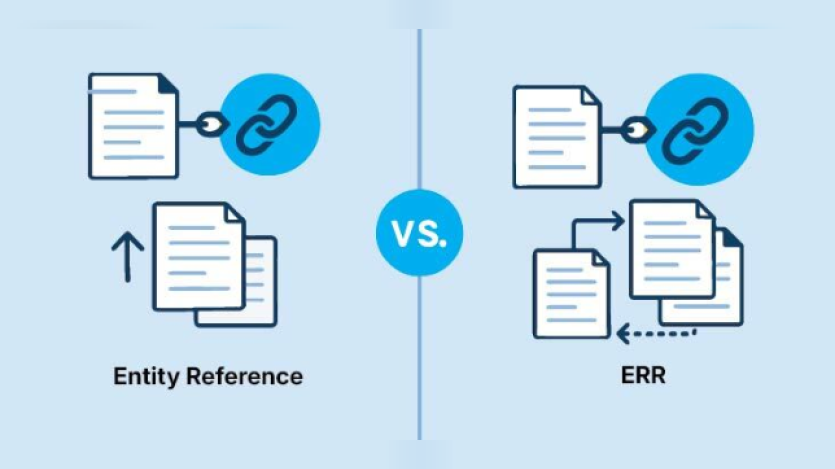
In his blog post, Abdullah Shakir of Drupak offers a detailed comparison between Drupal’s core Entity Reference field and the contributed Entity Reference Revisions (ERR) module. Using a real estate example with “Property” and “Room” content types, he demonstrates how Entity Reference fails to revert embedded content when rolling back revisions. Shakir effectively highlights the limitation: references always point to the latest revision, making them unsuitable for tightly coupled, nested content.
The article shows ERR’s advantage by storing revision IDs alongside entity IDs, allowing embedded content to revert consistently with parent entities. Shakir walks readers through setup steps with the Inline Entity Form module, demonstrating how ERR provides more predictable behavior in revision-heavy workflows. His example scenarios and revision tests make the technical distinction tangible for developers working with structured, interdependent content.
Beyond the functional demo, Shakir includes programmatic field definitions and update examples, adding practical value for backend developers. He also notes that widely used modules like Paragraphs rely on ERR under the hood, emphasizing its role in modern Drupal architectures. The post is well-structured, though it occasionally leans heavily on screenshots over deeper architectural discussion. Still, for developers grappling with entity relationships and revisions, it offers a clear, hands-on guide with immediate relevance.

ASK: Drupal Community Needs Your Support
View all →
Disclosure: This content is produced with the assistance of AI.
Disclaimer: The opinions expressed in this story do not necessarily represent that of TheDropTimes. We regularly share third-party blog posts that feature Drupal in good faith. TDT recommends Reader's discretion while consuming such content, as the veracity/authenticity of the story depends on the blogger and their motives.
Note: The vision of this web portal is to help promote news and stories around the Drupal community and promote and celebrate the people and organizations in the community. We strive to create and distribute our content based on these content policy. If you see any omission/variation on this please reach out to us at #thedroptimes channel on Drupal Slack and we will try to address the issue as best we can.

Related Organizations

Related People

You may also like