



How MCP Turns Your Drupal Site Into an AI-Ready Platform

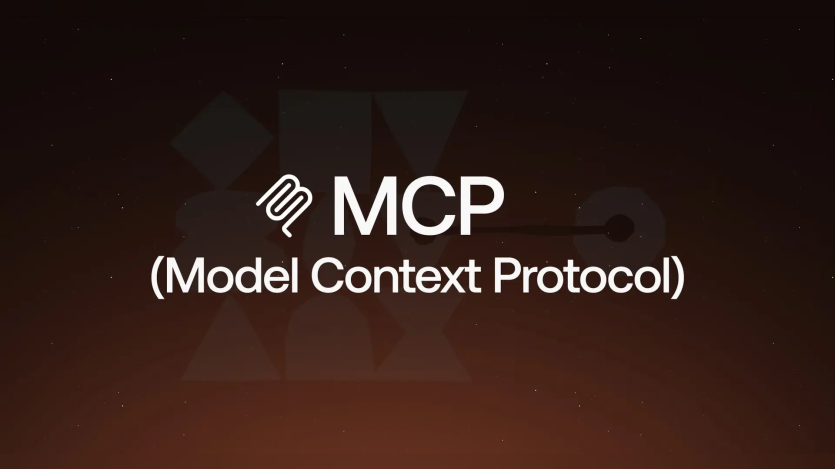
In a technical tutorial, George Bonnici explains how to expose Drupal sites as Model Context Protocol (MCP) servers, enabling AI tools such as Claude Desktop, Claude Code, and Cursor to interact directly with live Drupal data and configuration.
Model Context Protocol, introduced by Anthropic in 2024, defines a standard interface for AI applications to communicate with external systems. Instead of relying on scraping or manual copy-paste, MCP enables structured access to real resources and actions, including content entities, configuration, and operational tools.
The tutorial breaks MCP into three core components: the AI host, the MCP client inside that host, and the MCP server, which in this case is the Drupal site. Once connected, Drupal can expose resources (such as nodes and taxonomies), tools (for creating or updating content), prompts, and limited automation workflows.
Bonnici shows how to implement this in Drupal 10 or 11 using the mcp module, with optional submodules such as mcp_extra and mcp_dev_tools. Setup is handled through Composer and Drush, with access controlled via dedicated roles, token-based authentication, and explicit configuration of exposed content types.
The practical examples focus on everyday tasks: querying published content, creating content types, adding fields, clearing caches, and exporting configuration. These operations run through Drupal’s existing entity API and permission system, rather than bypassing core access controls.
Bonnici argues that Drupal is well suited to MCP because of its structured data model, plugin architecture, and built-in APIs. The post frames MCP as an integration layer that reduces friction between teams and their tools, rather than as a replacement for Drupal’s administrative workflows.
ASK: Drupal Community Needs Your Support
View all →
Disclosure: This content is produced with the assistance of AI.
Disclaimer: The opinions expressed in this story do not necessarily represent that of TheDropTimes. We regularly share third-party blog posts that feature Drupal in good faith. TDT recommends Reader's discretion while consuming such content, as the veracity/authenticity of the story depends on the blogger and their motives.
Note: The vision of this web portal is to help promote news and stories around the Drupal community and promote and celebrate the people and organizations in the community. We strive to create and distribute our content based on these content policy. If you see any omission/variation on this please reach out to us at #thedroptimes channel on Drupal Slack and we will try to address the issue as best we can.

Related People


You may also like