



How to Build AI-Generated Audio Experiences in Drupal with No Manual Work

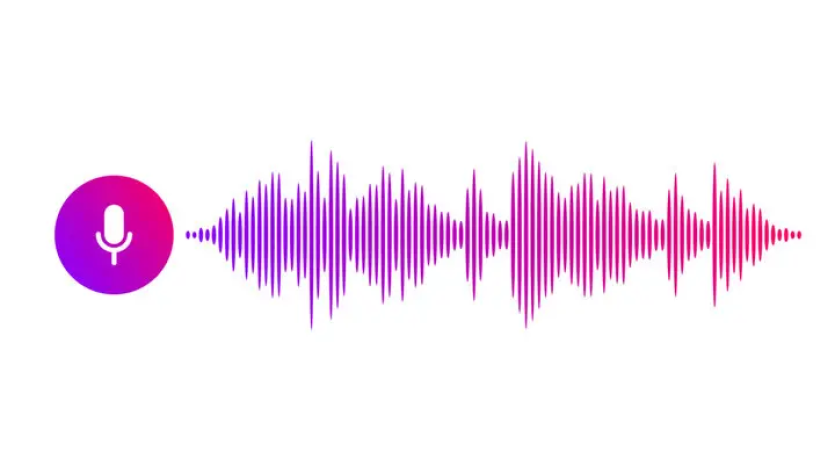
Content consumption habits are shifting toward audio, and George Bonnici-Carter argues that content teams must adapt or risk being overlooked in a saturated digital landscape.
In a recent technical article, George Bonnici-Carter explores how to transform standard Drupal content into engaging, audio-first experiences using AI-driven automation. The implementation enables automatic audio generation for any published article using OpenAI's text-to-speech models, removing the need for manual recording and editing. Users can click a sticky player that follows them as they scroll, delivering a listening experience familiar to Spotify or podcast platforms.
The guide begins with Drupal CMS’s built-in AI Assistance recipe, which sets up the necessary modules for automating media creation. Once configured, editors only need to save content for the system to generate a media entity and embed the audio. The sticky player module, authored by Bonnici-Carter, ensures that playback remains available as readers navigate the page. This setup prioritizes accessibility, reduces editorial workload, and meets the rising demand for audio-compatible content formats.
The article also addresses technical concerns such as API costs, media storage, and performance impacts. OpenAI's TTS services remain affordable for most publishers, and generated files are cached as media entities, avoiding redundant regeneration. Optional features include multilingual support, voice personalization, and RSS feeds for podcast integration.
George concludes by noting that audio-first is no longer a future consideration but a current requirement. Readers who listen while commuting or exercising expect content to meet them in these contexts. Drupal's extensibility, paired with intelligent automation, provides a practical solution for meeting that expectation.
ASK: Drupal Community Needs Your Support
View all →
Disclosure: This content is produced with the assistance of AI.
Disclaimer: The opinions expressed in this story do not necessarily represent that of TheDropTimes. We regularly share third-party blog posts that feature Drupal in good faith. TDT recommends Reader's discretion while consuming such content, as the veracity/authenticity of the story depends on the blogger and their motives.
Note: The vision of this web portal is to help promote news and stories around the Drupal community and promote and celebrate the people and organizations in the community. We strive to create and distribute our content based on these content policy. If you see any omission/variation on this please reach out to us at #thedroptimes channel on Drupal Slack and we will try to address the issue as best we can.

Related People


You may also like