



How to Build Energy-Efficient Drupal Websites Using Sustainable Web Practices

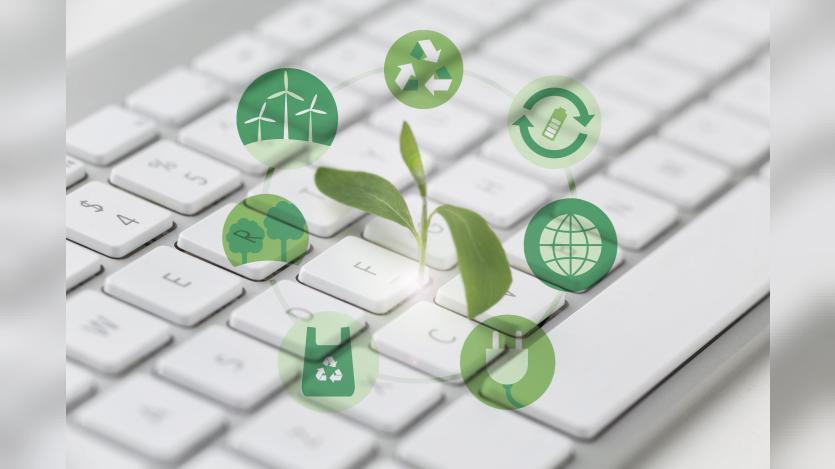
Drupal’s modular design and performance tools make it well-suited for eco-conscious web development. Ala Haytham of Vardot explores how developers can build greener websites by minimizing resource usage and carbon output. Strategies include enabling lazy loading, compressing assets, and choosing renewable energy-powered hosting.
The guide highlights Drupal’s strengths: built-in caching, CSS/JS aggregation, and support for tools like PurgeCSS. Modules such as Dynamic Responsive Image – Improved enhance energy efficiency by tailoring content delivery. Green hosting and CDN integration further reduce emissions and server demands.
Vardot’s Varbase distribution is promoted as a pre-optimized platform for sustainability, featuring performance and SEO modules. While partly promotional, the piece delivers practical, actionable advice grounded in Drupal’s architecture and ecosystem. It aligns with broader goals like the UN’s Sustainable Development Goals and the Digital Public Goods framework.

ASK: Drupal Community Needs Your Support
View all →
Disclosure: This content is produced with the assistance of AI.
Disclaimer: The opinions expressed in this story do not necessarily represent that of TheDropTimes. We regularly share third-party blog posts that feature Drupal in good faith. TDT recommends Reader's discretion while consuming such content, as the veracity/authenticity of the story depends on the blogger and their motives.
Note: The vision of this web portal is to help promote news and stories around the Drupal community and promote and celebrate the people and organizations in the community. We strive to create and distribute our content based on these content policy. If you see any omission/variation on this please reach out to us at #thedroptimes channel on Drupal Slack and we will try to address the issue as best we can.

Related Organizations

You may also like