



People-First Strategy Is Key to AI Web Creation, Says Aidan Foster of Foster Interactive

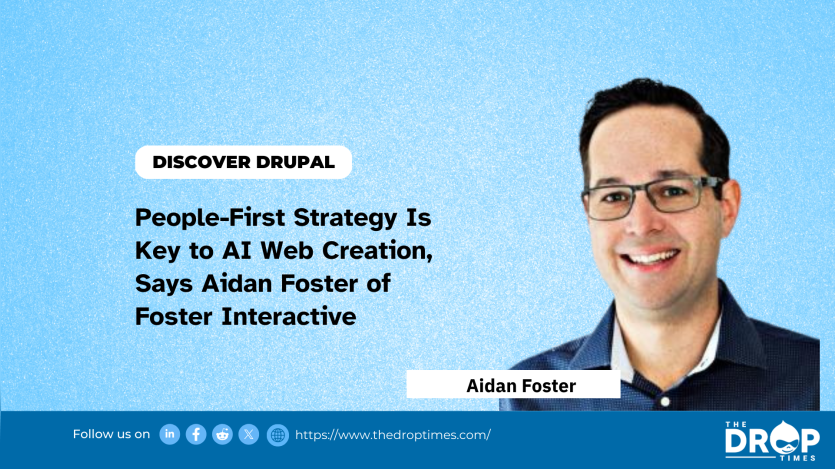
AI-powered tools are revolutionising web creation, but not without risk. Aidan Foster, Strategy Lead at Foster Interactive, warns that speed without strategy leads to what he calls “AI slop.” In his article, "The Future of AI-Powered Web Creation Is People-First, Not Prompt-First," published on Drupal.org, Foster outlines why authentic human insight must come before any AI-driven automation and how Drupal’s latest tools support that vision.
Foster's central argument is that technical execution is no longer the main bottleneck in web development. The challenge, he says, has shifted to understanding audiences, structuring content, and aligning messaging. AI can only accelerate what teams already understand; when that understanding is weak or undefined, the output becomes generic and off-brand.
To support this people-first approach, Drupal has introduced two AI-powered features tailored to real marketing workflows. Canvas offers a visual, drag-and-drop editor with AI built directly into the page-building interface, enabling teams to assemble layouts using brand elements and content rules. Complementing this is the Context Control Center, a strategic knowledge base where organisations store personas, messaging frameworks, and tone guidelines—allowing AI to generate content that's informed, not improvised.
This philosophy was put into practice through a fictional demo project called FinDrop, where Foster Interactive created audience segments, messaging, and brand rules before using AI to generate assets and landing pages. The results, Foster notes, were only effective because the strategic groundwork had already been laid. This alignment between AI and human insight also guides Foster Interactive’s role in the Drupal AI Makers initiative, which aims to help small marketing teams adopt AI without compromising on accuracy or brand integrity.
Looking ahead, Drupal CMS 2 is expected in early 2026 and is set to deepen Canvas integration, expand reusable design systems, and introduce stronger tools for auditing and maintaining content. Foster notes that these changes will make it easier to see which teams have invested in strategy and which rely solely on automation.
He encourages teams to begin with foundational audits of audience insight, messaging clarity, tone, and structure. With those elements defined, tools like Canvas become not just functional but strategically useful.
AI can accelerate execution and remove repetitive tasks. But it cannot replace the strategy behind them.
ASK: Drupal Community Needs Your Support
View all →
Disclosure: This content is produced with the assistance of AI.
Note: The vision of this web portal is to help promote news and stories around the Drupal community and promote and celebrate the people and organizations in the community. We strive to create and distribute our content based on these content policy. If you see any omission/variation on this please reach out to us at #thedroptimes channel on Drupal Slack and we will try to address the issue as best we can.

Related Drupal Initiatives

Related Organizations

Related People


You may also like