


Advent Day 14: Why Semantic HTML Is Crucial for Accessibility

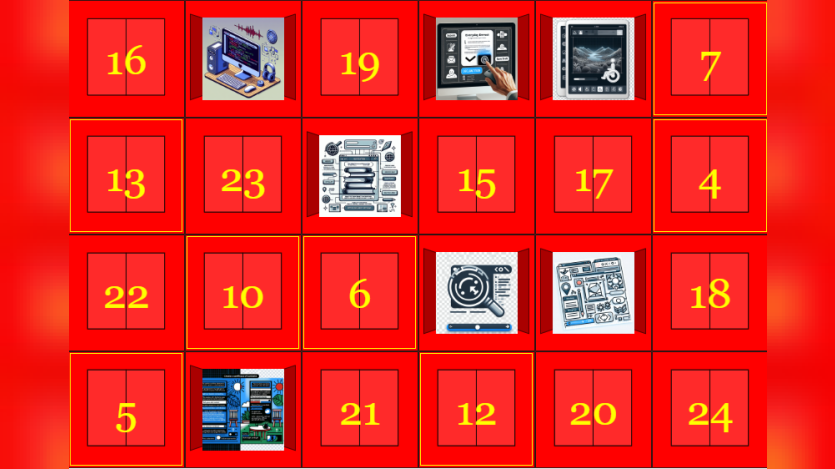
Day14 of Freelock’s Advent series explains why visual styling must be backed by meaningful HTML markup to ensure accessibility. WCAG 1.3.1 requires that all structural relationships such as headings, form labels, lists, and tables be conveyed through code, not just appearance. This guideline helps assistive technologies like screen readers understand and navigate content effectively.
Using the correct HTML elements is essential. Styled divs that mimic headings or buttons, unassociated labels, or makeshift lists all fail to meet accessibility standards. The post outlines how proper semantics, including the use of heading levels, fieldsets, and ARIA attributes when needed, can drastically improve usability for those relying on keyboard navigation and screen readers. Testing methods such as turning off CSS, using screen readers, and checking the accessibility tree are also recommended.
Drupal supports semantic HTML through its default themes and APIs, making it easier to build accessible sites when following best practices. In contrast, WordPress themes vary more widely in quality, especially when using visual page builders. Freelock concludes that ensuring semantic HTML is one of the simplest yet most impactful steps toward accessible web development, encouraging developers to prioritize structure and meaning in their markup.
ASK: Drupal Community Needs Your Support
View all →
Disclosure: This content is produced with the assistance of AI.
Disclaimer: The opinions expressed in this story do not necessarily represent that of TheDropTimes. We regularly share third-party blog posts that feature Drupal in good faith. TDT recommends Reader's discretion while consuming such content, as the veracity/authenticity of the story depends on the blogger and their motives.
Note: The vision of this web portal is to help promote news and stories around the Drupal community and promote and celebrate the people and organizations in the community. We strive to create and distribute our content based on these content policy. If you see any omission/variation on this please reach out to us at #thedroptimes channel on Drupal Slack and we will try to address the issue as best we can.
Related Organizations

Related People


You may also like