



Step-by-Step Guide to Creating Forms with the Drupal Webform Module

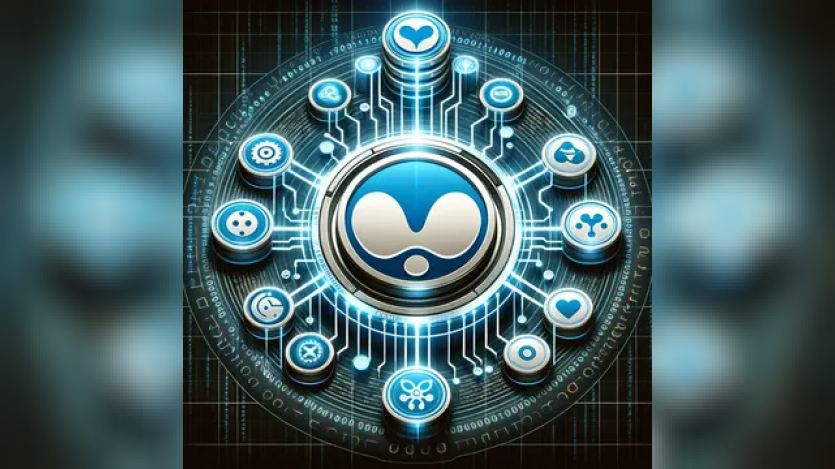
Tamara Bondarenko, General Manager at Drupfan, has authored a step-by-step tutorial on creating forms with the Webform module in Drupal 10. The Webform module, originally maintained by Jacob Rockowitz, is widely regarded as Drupal’s most powerful solution for building flexible and customizable forms.
The tutorial begins with installation via Composer (composer require drupal/webform) and emphasizes enabling only essential submodules such as Webform UI, Webform Node, and Webform Access. These unlock the user-friendly interface, page embedding, and role-based permission control required for practical form-building.
Once installed, site builders can add elements through the interface or fine-tune configurations using YAML. Features like conditional logic, token integration for personalized content, and CSV/XLSX exports are highlighted, along with built-in email notifications for administrators and users.
For more advanced use cases, the guide notes that Drupal’s Form API allows developers to extend webforms with custom fields, validators, and third-party integrations such as CRM and email marketing systems. The flexibility makes it suitable for everything from simple contact forms to multi-step surveys and complex workflows.
Bondarenko concludes that the Webform module remains the fastest way to add fully functional, mobile-responsive forms to a Drupal site, while also offering extensibility for complex business requirements.
ASK: Drupal Community Needs Your Support
View all →
Disclosure: This content is produced with the assistance of AI.
Disclaimer: The opinions expressed in this story do not necessarily represent that of TheDropTimes. We regularly share third-party blog posts that feature Drupal in good faith. TDT recommends Reader's discretion while consuming such content, as the veracity/authenticity of the story depends on the blogger and their motives.
Note: The vision of this web portal is to help promote news and stories around the Drupal community and promote and celebrate the people and organizations in the community. We strive to create and distribute our content based on these content policy. If you see any omission/variation on this please reach out to us at #thedroptimes channel on Drupal Slack and we will try to address the issue as best we can.

Related Organizations

You may also like