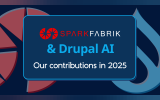




How Drupal CMS Enables Composable Architecture for Scalable Digital Transformation


The SparkFabrik Team presents a detailed argument for adopting composable digital architectures built on Drupal CMS. Citing rapid business change, fragmented channel requirements, and regulatory pressures, the post asserts that monolithic platforms no longer meet modern needs. Composable architecture—assembled like Lego blocks from modular, autonomous components—is offered as the solution, enabling organizations to swap or upgrade parts without disrupting the whole system.
The article highlights Drupal’s native strengths—API-first design, flexible content models, GraphQL/JSON:API support, and modular core—as key enablers for composability. It profiles real-world implementations: Zambon Group reduced time-to-market by 40% building a content hub, and Caleffi gained technical agility and avoided vendor lock-in by federating Drupal with e‑commerce and CRM systems. Best practices include defining API strategies, design-first workflows, and governance to manage complexity. Challenges are candidly discussed: integration difficulty, UX consistency, performance at scale, and the need for diverse skill sets—but practical solutions like API gateways and shared design systems are proposed.
While the post is polished and strategically framed, it reads more like marketing material than an independent analysis. Citations of Gartner and case statistics lend credibility, but broad adoption claims should be viewed cautiously without third-party validation. SparkFabrik positions itself as a capable partner for organizations seeking a composable journey—a message tailored to decision-makers rather than technical skeptics.
ASK: Drupal Community Needs Your Support
View all →
Disclosure: This content is produced with the assistance of AI.
Disclaimer: The opinions expressed in this story do not necessarily represent that of TheDropTimes. We regularly share third-party blog posts that feature Drupal in good faith. TDT recommends Reader's discretion while consuming such content, as the veracity/authenticity of the story depends on the blogger and their motives.
Note: The vision of this web portal is to help promote news and stories around the Drupal community and promote and celebrate the people and organizations in the community. We strive to create and distribute our content based on these content policy. If you see any omission/variation on this please reach out to us at #thedroptimes channel on Drupal Slack and we will try to address the issue as best we can.

Related Organizations

You may also like