



Dries Proposes Adaptable Modules for AI-Ready Drupal Code Sharing

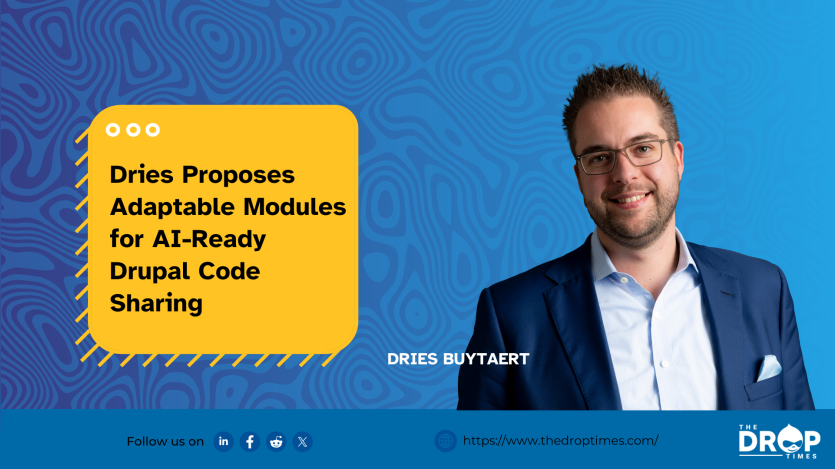
Dries Buytaert has proposed a new model for contributing to Drupal: "adaptable modules", site-specific, tested code that others can reuse and modify using AI or human guidance, rather than traditional out-of-the-box installation.
Unlike conventional contributed modules on Drupal.org, which are expected to be fully generalised and usable across a variety of sites, adaptable modules prioritise practical utility over universal flexibility. These modules, often built to solve real problems in production environments, are shared as reference implementations rather than plug-and-play tools.
The concept stems from Dries’ own experience developing custom modules for his blog, including one that converts HTML to Markdown and another that exports content as YAML with embedded Markdown. Both modules were written using Claude Code, include unit tests, and function reliably, but are tightly coupled to his site’s unique content model, making them unsuitable for traditional contribution without extensive refactoring.
Dries argues that the "generalisation tax", the effort required to abstract custom code for mass use, discourages many developers from sharing useful tools. Modules must be configurable, handle edge cases, and include comprehensive documentation, even if the original use case doesn’t require these features. As a result, much valuable code remains siloed in private repositories.
Adaptable modules would change this by explicitly embracing the idea that contributed code may not work out of the box. Instead, developers, or AI systems, would adapt the code to suit specific use cases. AI tools like Claude can now analyse module architecture, understand embedded decisions, and regenerate adjusted versions tailored to different field types or content structures. This model shifts the developer’s role from writing all-purpose code to architecting context-aware solutions and guiding adaptation workflows.
As AI becomes more capable at interpreting and rewriting code, the value lies increasingly in the original architectural decisions and problem-solving approaches rather than in reusable syntax. Adaptable modules reflect this shift, making niche modules shareable without the need to meet the high bar of traditional generalisation.
Dries emphasises that widely usable contributed modules will always remain foundational to Drupal, but suggests that adaptable modules can serve as a parallel track, especially for smaller utility modules where the overhead of generalisation outweighs the benefits.
The proposal is open for discussion, and Dries invites feedback on the idea through a dedicated issue on Drupal.org. The long-term goal is to foster a more inclusive and AI-aware contribution model that enables more developers to share their work, regardless of scope or reusability.
To read the full proposal and join the conversation, visit Dries Buytaert’s blog post: Adaptable Drupal modules: code meant to be adapted, not installed.

ASK: Drupal Community Needs Your Support
View all →
Disclosure: This content is produced with the assistance of AI.
Note: The vision of this web portal is to help promote news and stories around the Drupal community and promote and celebrate the people and organizations in the community. We strive to create and distribute our content based on these content policy. If you see any omission/variation on this please reach out to us at #thedroptimes channel on Drupal Slack and we will try to address the issue as best we can.

Related People


You may also like