



Dominique De Cooman Introduces DEEP: A New Open Framework for Digital Experience Enablement

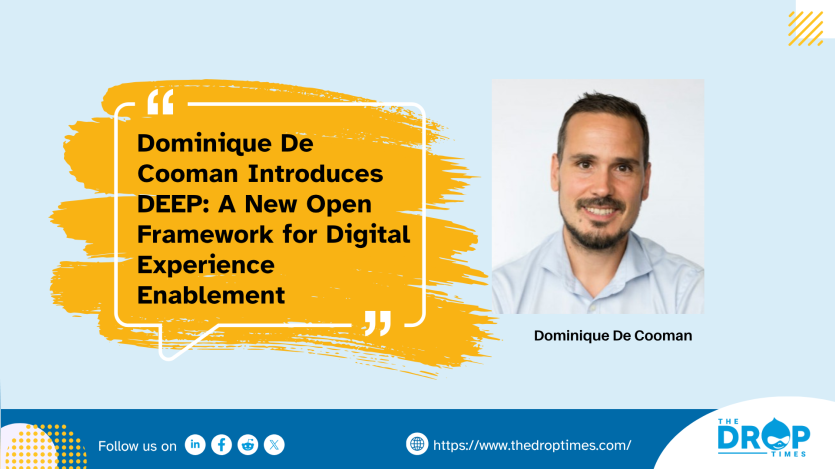
Dominique De Cooman of Dropsolid has introduced DEEP, the Digital Experience Enablement Platform, a new model for building and managing digital experiences. DEEP moves beyond the limits of traditional, centralized Digital Experience Platforms (DXPs) by offering a more flexible, intelligent, and decentralized approach. Designed to support dynamic experience ecosystems, DEEP shifts the focus from managing a monolithic platform to enabling personalized, connected experiences across channels and systems.
According to Dominique, the digital experience industry is at a turning point. DXPs have evolved to manage multiple channels and touchpoints, but they often come with trade-offs: vendor lock-in, high cost, and limited flexibility. DEEP is positioned as a response to these limitations, offering a framework that is open, composable, intelligent, and sovereign by design.
Unlike DXPs, which are typically controlled by a single vendor, a DEEP operates like a digital operating system made up of interoperable, often open-source components. At Dropsolid, the Dominique team has implemented a DEEP stack combining Drupal, Mautic, and Apache Unomi, unified by an AI-powered orchestration layer. This setup allows organisations to automate, personalise, and adapt experiences without being tied to a specific vendor's roadmap.
Key characteristics of DEEP include:
- Openness and Composability - Organisations can select the best tools for their needs without compromising interoperability.
- Intelligent Orchestration - AI coordinates systems to deliver automated personalisation and optimise content and data flows.
- Digital Sovereignty - Users maintain control over where data is stored and how infrastructure is managed, supporting compliance and security.
- Community-Driven Innovation - DEEP builds on collaborative, open-source ecosystems to accelerate progress and avoid vendor dependency.
Dominique argues that as AI adoption and demands for digital independence grow, organisations need platforms that offer both flexibility and control. DEEP, he says, is already being adopted in Europe by organisations looking to escape rigid platform models and create adaptive, user-centred systems.
He concludes that DEEP represents a transition from platform-centric to enablement-centric thinking, where technology empowers teams rather than limits them.
"This is the dawn of the enablement era," Dominique writes. "With AI as its engine and openness as its foundation, DEEP will redefine what digital experience means for the decade ahead."

ASK: Drupal Community Needs Your Support
View all →
Disclosure: This content is produced with the assistance of AI.
Note: The vision of this web portal is to help promote news and stories around the Drupal community and promote and celebrate the people and organizations in the community. We strive to create and distribute our content based on these content policy. If you see any omission/variation on this please reach out to us at #thedroptimes channel on Drupal Slack and we will try to address the issue as best we can.

Related Organizations

Related People


You may also like