



Getting Started with Drupal Theming: How to Create a Custom Theme

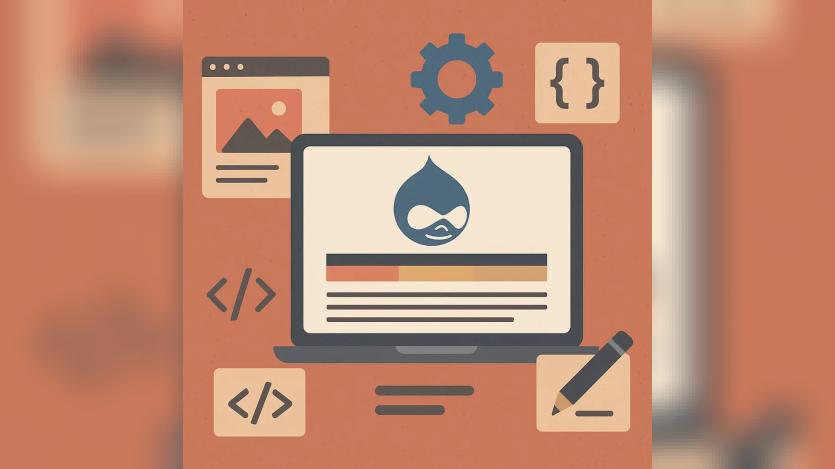
In this comprehensive blog post, Joe Black from Drupfan walks through the fundamentals of creating a custom Drupal theme. He explains why custom themes are superior to pre-built templates: they avoid unnecessary code, improve performance, and adapt to specific branding, accessibility, and design needs. The post starts with an overview of Drupal's theme structure, detailing key files like .info.yml, libraries.yml, and the use of Twig for templating.
Joe dives into core theming concepts such as resource libraries, responsive design, and accessibility compliance with WCAG 2.1 standards. He emphasises best practices like using semantic HTML, ARIA roles, and media queries. Additional sections guide developers through template overrides, preprocess hooks, and the importance of performance features like lazy loading and CSS/JS aggregation. Tools like TailwindCSS and the new Theme Starterkit in Drupal 10/11 are also discussed as modern solutions for frontend workflows.
The article includes a theme development checklist, covering everything from cache clearing and template debugging to cross-browser testing and update readiness. Joe recommends using contrib modules like Fences to reduce markup bloat and improve SEO. Drupfan positions itself as a specialist in performance-optimised, accessible Drupal themes, supporting Drupal 8 through 11 with a focus on maintainability and user experience across devices.
ASK: Drupal Community Needs Your Support
View all →
Disclosure: This content is produced with the assistance of AI.
Disclaimer: The opinions expressed in this story do not necessarily represent that of TheDropTimes. We regularly share third-party blog posts that feature Drupal in good faith. TDT recommends Reader's discretion while consuming such content, as the veracity/authenticity of the story depends on the blogger and their motives.
Note: The vision of this web portal is to help promote news and stories around the Drupal community and promote and celebrate the people and organizations in the community. We strive to create and distribute our content based on these content policy. If you see any omission/variation on this please reach out to us at #thedroptimes channel on Drupal Slack and we will try to address the issue as best we can.

Related Organizations

You may also like