



Headless Drupal with React and Next.js: Architecture, Performance, and Use Cases

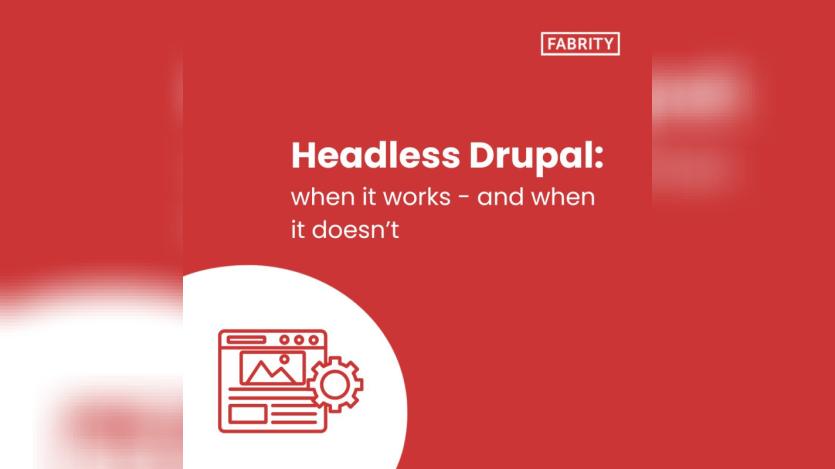
Denys Mykhaiskyi's analysis for Fabrity offers a balanced examination of headless Drupal architecture, moving beyond typical hype to provide practical guidance on when decoupled systems are sensible and when they are not. Denys effectively argues that while headless Drupal with React/Next.js offers significant advantages for multi-channel platforms, high-performance requirements, and teams needing frontend flexibility, it introduces substantial complexity that many projects simply don't require. The author's nuanced approach acknowledges that Drupal's API-first capabilities make it well-suited for headless implementations, but emphasizes that traditional monolithic setups remain the smarter choice for standard corporate sites, tight budgets, or projects without complex UI requirements.
What makes the analysis particularly valuable is its honest assessment of trade-offs rather than presenting headless as a universal solution. Denys details how organizations lose many of Drupal's out-of-the-box features when going headless, requiring significant rebuilding effort that's often underestimated during planning phases. The increased architectural complexity involves maintaining two distinct applications, managing synchronization between systems, and handling more intricate debugging processes. Development and testing cycles become longer, and features like user authentication, content preview, and multilingual support must be rebuilt manually, creating potential burdens for teams with limited resources.
The piece serves as a decision-making framework, helping developers and organizations evaluate whether the benefits of frontend flexibility, improved performance, and team autonomy justify the increased maintenance costs and longer development cycles. By presenting both the technical capabilities and real-world constraints, Mykhaiskyi offers practical guidance that helps teams make informed architectural decisions rather than blindly following trends. His emphasis on choosing the right tool for the specific project context reflects a mature understanding of when technology serves business needs versus when it creates unnecessary overhead.

ASK: Drupal Community Needs Your Support
View all →
Disclosure: This content is produced with the assistance of AI.
Disclaimer: The opinions expressed in this story do not necessarily represent that of TheDropTimes. We regularly share third-party blog posts that feature Drupal in good faith. TDT recommends Reader's discretion while consuming such content, as the veracity/authenticity of the story depends on the blogger and their motives.
Note: The vision of this web portal is to help promote news and stories around the Drupal community and promote and celebrate the people and organizations in the community. We strive to create and distribute our content based on these content policy. If you see any omission/variation on this please reach out to us at #thedroptimes channel on Drupal Slack and we will try to address the issue as best we can.

Related Organizations

Related People


You may also like