



Drupal or Adobe Experience Manager? Here’s a Detailed Comparison

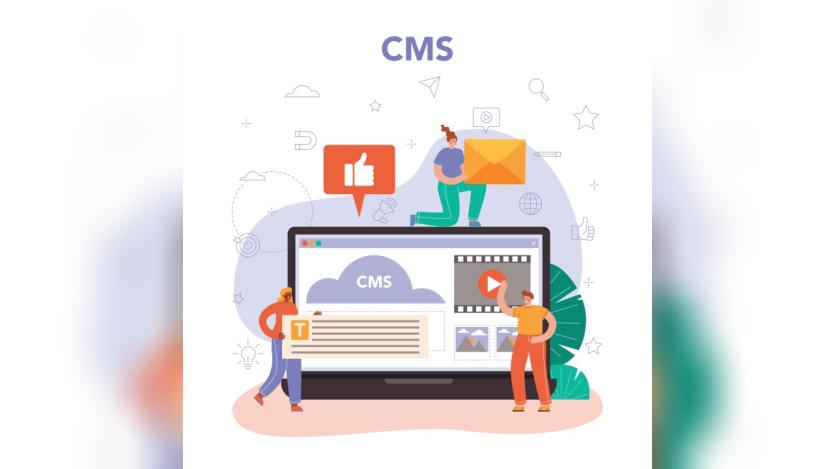
Drupal and Adobe Experience Manager (AEM) are both powerful CMS options catering to different organizational needs. A recent blog post by Opencentric carries out a detailed comparison of the two Content Management Systems. Read on if you’re confused about narrowing down on the best fit.
Drupal, an open-source CMS, is renowned for its flexibility, scalability, and extensive community support. Its modular design allows for high customization, enabling organizations to create tailored digital experiences, from large-scale websites to complex e-commerce platforms. Drupal’s API-first architecture ensures seamless integration with third-party services, making it ideal for businesses needing advanced customization and extensive content management. It also offers robust performance and multisite support, making it suitable for global companies managing multiple regional sites. Security-wise, government organizations trust Drupal for its proactive approach to vulnerabilities and strong user permission controls.
AEM, part of Adobe’s Experience Cloud, is a commercial CMS aimed at large enterprises needing integrated digital asset management, marketing automation, and personalization features. AEM offers an intuitive, marketer-friendly interface with robust out-of-the-box components and tight integration within the Adobe ecosystem. While it provides enterprise-grade scalability and security, AEM comes with significant licensing costs and a high total cost of ownership.
In conclusion, the article suggests that Drupal suits organizations with in-house technical expertise seeking a customizable and cost-effective CMS. In contrast, AEM is ideal for enterprises invested in Adobe tools and looking for comprehensive, integrated marketing capabilities.
ASK: Drupal Community Needs Your Support
View all →
Disclosure: This content is produced with the assistance of AI.
Disclaimer: The opinions expressed in this story do not necessarily represent that of TheDropTimes. We regularly share third-party blog posts that feature Drupal in good faith. TDT recommends Reader's discretion while consuming such content, as the veracity/authenticity of the story depends on the blogger and their motives.
Note: The vision of this web portal is to help promote news and stories around the Drupal community and promote and celebrate the people and organizations in the community. We strive to create and distribute our content based on these content policy. If you see any omission/variation on this please reach out to us at #thedroptimes channel on Drupal Slack and we will try to address the issue as best we can.