



Drupalgeddon 2 Retold: One Render Flaw, Millions in Damages

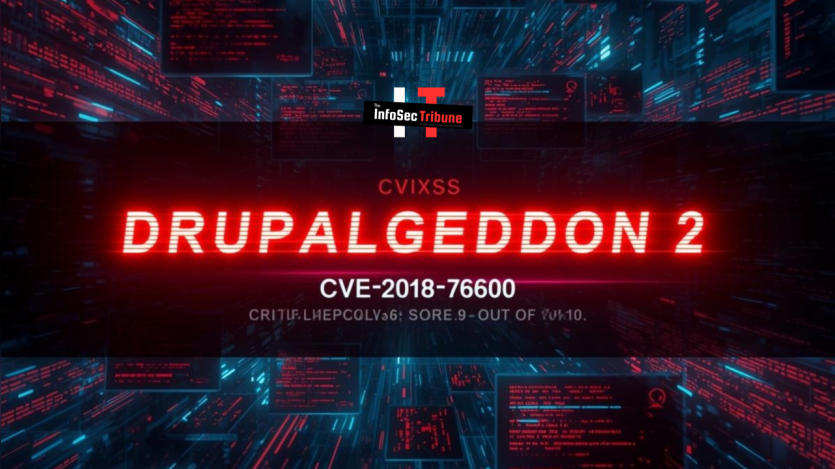
Four years after the original Drupalgeddon shook the web, CVE-2018-7600—known as “Drupalgeddon 2”—exploited a flaw in Drupal’s render array system, allowing attackers to remotely execute system commands. Though the attack and its advisory date back to March 2018, a new 2025 analysis by The InfoSec Tribune revisits the exploit’s mechanics, global impact, and lingering security lessons.
The vulnerability stemmed from inadequate validation in Drupal 7 and 8’s rendering pipeline. With a crafted HTTP request, attackers injected PHP functions like exec() or passthru(), giving them full control over vulnerable sites. The flaw scored 9.8 on the CVSS scale and triggered global waves of exploitation once the proof-of-concept went public.
Botnets quickly automated the attack, scanning for vulnerable sites and planting web shells, crypto miners, and persistent access points. Thousands of sites were compromised, many becoming part of broader attack infrastructures. The estimated financial toll reached into the hundreds of millions due to downtime, incident response, data loss, and reputational harm.
The Drupal Security Team acted swiftly with a patch and advisory released on March 28, 2018, hardening function validation and input handling. But many admins missed or delayed updates, prolonging the fallout. The InfoSec Tribune emphasizes the core lesson: security failures often recur not from new techniques, but from forgetting past mistakes.
Read the full case study on The InfoSec Tribune for a detailed breakdown of the exploit and its long-term impact.
Reference: Analyzing Drupalgeddon 2 – How One Line of Code Cost the World Millions (23 September 2025)

ASK: Drupal Community Needs Your Support
View all →
Disclosure: This content is produced with the assistance of AI.
Disclaimer: The opinions expressed in this story do not necessarily represent that of TheDropTimes. We regularly share third-party blog posts that feature Drupal in good faith. TDT recommends Reader's discretion while consuming such content, as the veracity/authenticity of the story depends on the blogger and their motives.
Note: The vision of this web portal is to help promote news and stories around the Drupal community and promote and celebrate the people and organizations in the community. We strive to create and distribute our content based on these content policy. If you see any omission/variation on this please reach out to us at #thedroptimes channel on Drupal Slack and we will try to address the issue as best we can.

You may also like