



Drupal Version Upgrade: Steps, Challenges, and Best Practices

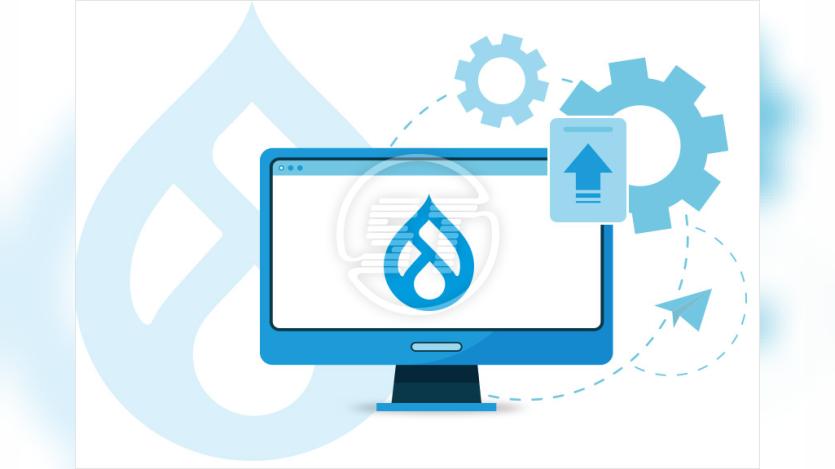
Upgrading your Drupal website ensures security, performance, and access to modern features. A recent blog post by Droptica outlines the key differences between a migration and an upgrade and the essential steps to ensure a smooth transition.
Due to the Symfony-based architecture, moving to Drupal 9 or 10 is more streamlined for Drupal 8 users. However, proper preparation is crucial. The blog emphasizes conducting a full website audit, backing up data, checking server requirements, and updating dependencies before initiating the upgrade. Using Composer, running database updates, and thoroughly testing in a staging environment is essential to avoid disruptions.
Common challenges include module compatibility issues, deprecated code, and performance drops, which can be mitigated with proper planning. Droptica offers expert support to simplify the upgrade process and ensure websites remain secure and optimized. Upgrading Drupal is a proactive step toward a future-proof digital presence.

ASK: Drupal Community Needs Your Support
View all →
Disclosure: This content is produced with the assistance of AI.
Disclaimer: The opinions expressed in this story do not necessarily represent that of TheDropTimes. We regularly share third-party blog posts that feature Drupal in good faith. TDT recommends Reader's discretion while consuming such content, as the veracity/authenticity of the story depends on the blogger and their motives.
Note: The vision of this web portal is to help promote news and stories around the Drupal community and promote and celebrate the people and organizations in the community. We strive to create and distribute our content based on these content policy. If you see any omission/variation on this please reach out to us at #thedroptimes channel on Drupal Slack and we will try to address the issue as best we can.

Related Organizations

You may also like