



Rethinking Digital Ownership in an Age of Platform Dependence


Barry Fisher, founder and CEO of Pivale, draws a parallel between fragile physical supply chains and the quiet dependencies embedded in modern digital infrastructure. In a recent blog post, he argues that outsourced convenience often masks critical risks, from SaaS lock-in to unclear ownership of data and process.
Fisher critiques the unchecked expansion of third-party services, including CRM tools, cloud platforms, and AI layers, that gradually shift control away from the organisation. When failure happens upstream, many teams discover how tightly they’ve coupled their operations to vendors they can’t influence.
The answer isn’t to return to in-house servers, he notes, but to pursue digital sovereignty: a practical audit of which systems are worth owning and how to avoid being cornered by vendor decisions. Here, open-source software like Drupal offers a structural advantage. The code is inspectable, the data models are yours, and platform evolution can align with internal strategy.
Fisher also highlights infrastructure choices, advocating for multicloud PaaS models that avoid hardwiring to any single hyperscaler. Tools like Upsun make exit routes technically viable—a critical safeguard as platform terms, risks, or priorities shift.
His larger argument is a call for intentionality. Control is not free. It must be designed, owned, and maintained. Teams must distinguish between convenience and strategic value. The real cost of platform over-reliance, Fisher suggests, is not always money: it is the slow erosion of agency.
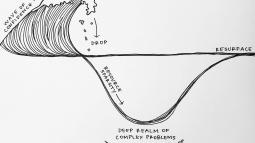
ASK: Drupal Community Needs Your Support
View all →
Disclosure: This content is produced with the assistance of AI.
Disclaimer: The opinions expressed in this story do not necessarily represent that of TheDropTimes. We regularly share third-party blog posts that feature Drupal in good faith. TDT recommends Reader's discretion while consuming such content, as the veracity/authenticity of the story depends on the blogger and their motives.
Note: The vision of this web portal is to help promote news and stories around the Drupal community and promote and celebrate the people and organizations in the community. We strive to create and distribute our content based on these content policy. If you see any omission/variation on this please reach out to us at #thedroptimes channel on Drupal Slack and we will try to address the issue as best we can.
Related Organizations

Related People


You may also like