


Tetra Logical's Insights on Accessible Form Validation for Inclusive User Experiences

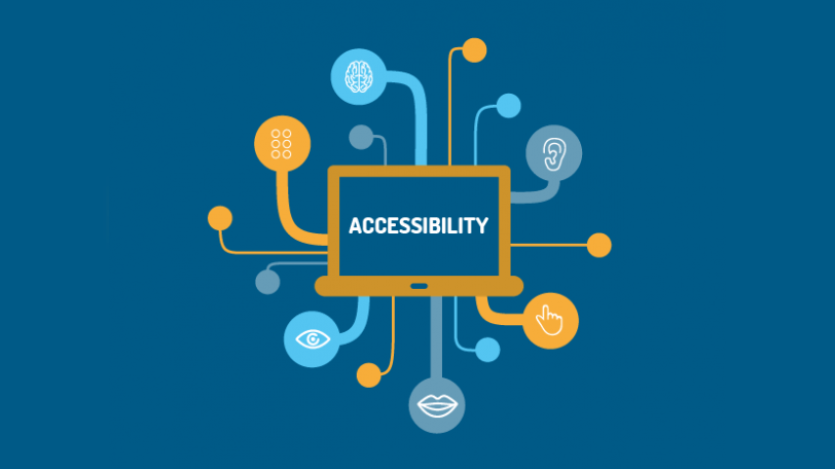
Accessible form validation is key to ensuring that forms are usable by all individuals, particularly those relying on screen readers, braille displays, and assistive technologies. Accessible validation strategies—such as real-time in-line and post-submission error messages—support people with visual impairments, cognitive disabilities, and reduced focus. Accessibility consultancy Tetra Logical recently published an article authored by Demelza Feltham that sheds light on this topic.
According to the article an in-line validation provides immediate feedback as users progress through form fields, reducing cognitive load. However, feedback should appear only after moving to the next field to prevent disruption. For example, password fields benefit from using minlength and maxlength attributes to communicate requirements, and using clear, accessible feedback improves the experience.
Post-submission error messages, displayed as a summary at the top, allow users to correct multiple errors simultaneously. A balanced approach using both client-side and server-side validation maximizes accessibility and usability.
Common issues include the failure to communicate error states and associate error messages with specific fields. Solutions involve using aria-invalid="true" for error fields, role="alert" or aria-live for messages, and aria-describedby to link messages with fields. Clear, actionable messages should guide users on correcting issues concisely.

ASK: Drupal Community Needs Your Support
View all →
Disclosure: This content is produced with the assistance of AI.
Disclaimer: The opinions expressed in this story do not necessarily represent that of TheDropTimes. We regularly share third-party blog posts that feature Drupal in good faith. TDT recommends Reader's discretion while consuming such content, as the veracity/authenticity of the story depends on the blogger and their motives.
Note: The vision of this web portal is to help promote news and stories around the Drupal community and promote and celebrate the people and organizations in the community. We strive to create and distribute our content based on these content policy. If you see any omission/variation on this please reach out to us at #thedroptimes channel on Drupal Slack and we will try to address the issue as best we can.
Related Organizations

You may also like