


The Costly Illusion of Accessibility Overlays

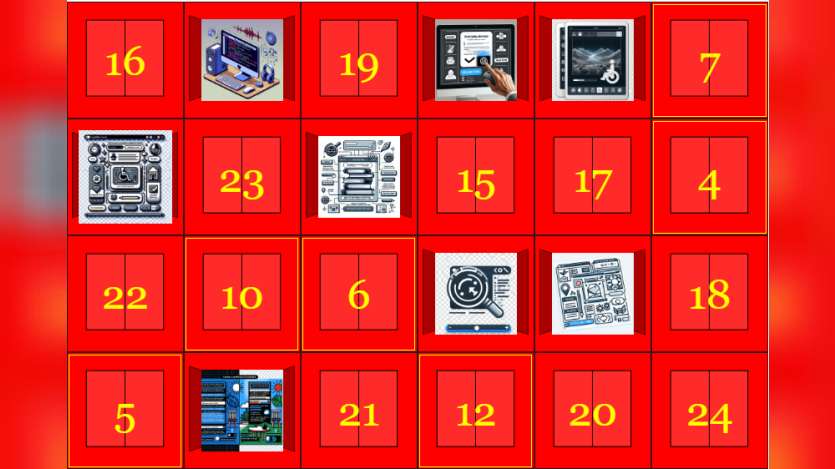
Day 13 of Freelock’s Advent series issues a clear warning about accessibility overlays third-party tools that promise instant compliance but often introduce serious accessibility barriers instead. Promoted with claims of ADA protection and effortless fixes, these tools interfere with real assistive technology, fail to resolve core HTML and design issues, and leave websites exposed to legal risks.
The post highlights multiple real-world failures, including a class action lawsuit against UserWay and a $1 million FTC fine against accessiBe for false advertising. Common problems include overlays blocking screen reader functionality, manipulating test results, and failing to address fundamental accessibility tasks like alt text, label associations, or semantic structure. Despite being marketed as “one line of code” solutions, these tools often attract lawsuits rather than prevent them.
Instead of overlays, the blog recommends a practical roadmap: write accessible code from the start, perform manual testing with real users, commit to ongoing maintenance, and work with trained professionals for audits. The accessibility community has overwhelmingly rejected overlays, and Freelock reiterates that true compliance and inclusion come not from shortcuts, but from thoughtful implementation. This is not just a best practice—it’s what users actually need.

ASK: Drupal Community Needs Your Support
View all →
Disclosure: This content is produced with the assistance of AI.
Disclaimer: The opinions expressed in this story do not necessarily represent that of TheDropTimes. We regularly share third-party blog posts that feature Drupal in good faith. TDT recommends Reader's discretion while consuming such content, as the veracity/authenticity of the story depends on the blogger and their motives.
Note: The vision of this web portal is to help promote news and stories around the Drupal community and promote and celebrate the people and organizations in the community. We strive to create and distribute our content based on these content policy. If you see any omission/variation on this please reach out to us at #thedroptimes channel on Drupal Slack and we will try to address the issue as best we can.
Related Organizations

Related People


You may also like