



Responsible AI with Drupal: How Cheppers Uses Structure and Control for Safer Automation

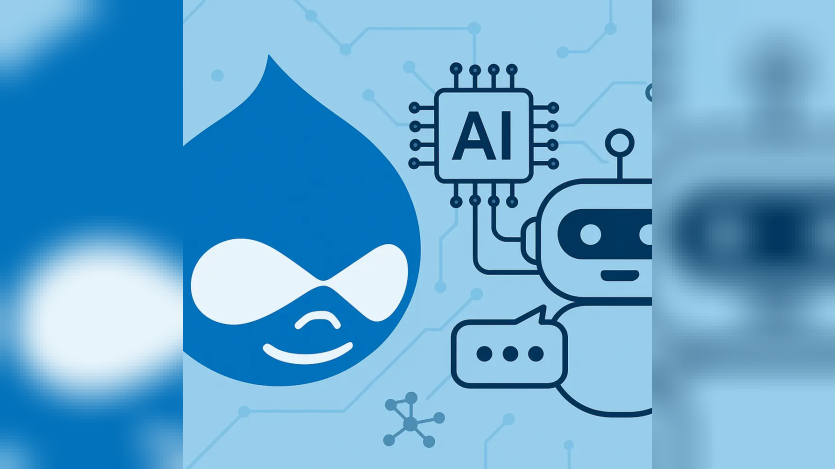
Cheppers CTO Bálint Pekker explores how Drupal enables responsible AI by combining structured content, configurable workflows, and permission-based oversight—allowing organizations to integrate AI safely while keeping people in charge of published outcomes.
The blog post presents Drupal as a practical foundation for AI-enhanced content management, emphasizing open-source freedom, modular architecture, and editorial accountability. Drupal’s structure—through content types, taxonomies, and APIs—lets teams harness AI for real use cases like drafting summaries, generating alt text, enhancing metadata, suggesting taxonomy terms, and producing multilingual content.
Pekker outlines Drupal-native patterns where AI operates within the existing editorial interface, offering in-context suggestions with full revision tracking and configurable review gates. Whether enabling semantic search with RAG models or deploying chat widgets that reference only published content, Drupal workflows keep outputs consistent, reviewable, and auditable.
The piece encourages teams to adopt a stepwise approach: implement one AI-assisted job (like content summarization), define review roles, measure outcomes, and expand gradually. Drupal’s structured content model, backed by its API and community ecosystem, turns responsible AI from theory into practice—especially for mission-driven teams with transparency and compliance needs.
ASK: Drupal Community Needs Your Support
View all →
Disclosure: This content is produced with the assistance of AI.
Disclaimer: The opinions expressed in this story do not necessarily represent that of TheDropTimes. We regularly share third-party blog posts that feature Drupal in good faith. TDT recommends Reader's discretion while consuming such content, as the veracity/authenticity of the story depends on the blogger and their motives.
Note: The vision of this web portal is to help promote news and stories around the Drupal community and promote and celebrate the people and organizations in the community. We strive to create and distribute our content based on these content policy. If you see any omission/variation on this please reach out to us at #thedroptimes channel on Drupal Slack and we will try to address the issue as best we can.

Related Drupal Initiatives

Related Organizations

Related People


You may also like