



Key Architectures for Constituent Portals: Options and Considerations

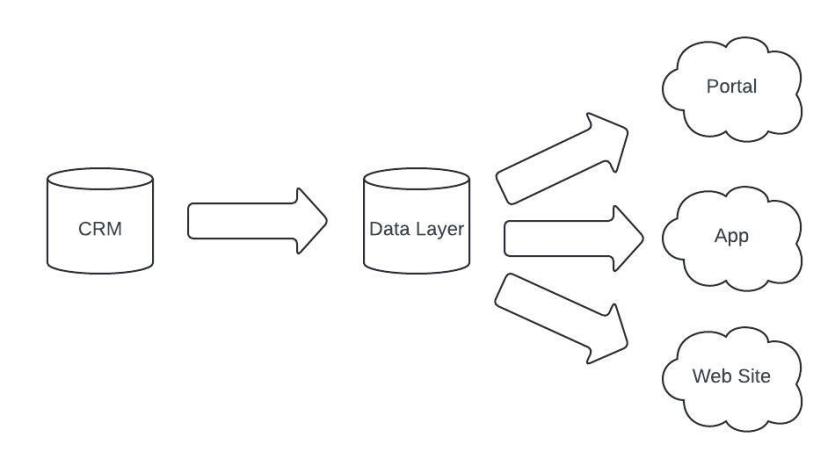
Aaron Crosman outlines key considerations for architecting constituent portals in a blog post, highlighting three primary data architectures: all-in-one portals integrated into a CRM, external portals using separate platforms, and external portals with a data proxy layer. Each approach offers distinct advantages and drawbacks in terms of implementation complexity, cost scalability, data synchronization, and user experience control.
Aaron emphasizes that the choice of architecture should align with the portal's purpose and expected scale, whether focused on outbound data, data exchange, or data networks. He also underscores the importance of understanding trade-offs, such as the convenience of all-in-one solutions versus the flexibility and scalability of external architectures, particularly with data proxies for complex, multi-system integrations. A follow-up post will explore the process of selecting the right architecture.

ASK: Drupal Community Needs Your Support
View all →
Disclosure: This content is produced with the assistance of AI.
Disclaimer: The opinions expressed in this story do not necessarily represent that of TheDropTimes. We regularly share third-party blog posts that feature Drupal in good faith. TDT recommends Reader's discretion while consuming such content, as the veracity/authenticity of the story depends on the blogger and their motives.
Note: The vision of this web portal is to help promote news and stories around the Drupal community and promote and celebrate the people and organizations in the community. We strive to create and distribute our content based on these content policy. If you see any omission/variation on this please reach out to us at #thedroptimes channel on Drupal Slack and we will try to address the issue as best we can.

Related People


You may also like